

In the world of forex trading time zones Uganda Brokers, forex trading operates continuously across multiple time zones, creating unique opportunities and challenges for traders. Understanding the significance of these time zones can be crucial for maximizing profits and developing effective trading strategies. In this article, we will delve into the various trading sessions, their characteristics, and how traders can leverage this knowledge to enhance their trading experience.
Understanding Forex Trading Hours
The forex market is open 24 hours a day, five days a week, allowing traders to participate at practically any time. The market operates in four major trading sessions: Sydney, Tokyo, London, and New York. These sessions correspond to the major financial centers and follow one another in a continuous loop throughout the trading week.
The Four Major Trading Sessions
1. Sydney Session
The Sydney session begins the trading day and is known for its lower volatility compared to other sessions. It operates from 10 PM to 7 AM GMT. During this time, traders often see slower price movements and fewer trading opportunities, making it an ideal session for those who prefer a more conservative trading approach.
2. Tokyo Session
Starting shortly after the Sydney session closes, the Tokyo session runs from 12 AM to 9 AM GMT. This session is characterized by increased volatility as it overlaps with both the end of the Sydney session and the beginning of the London session. Currency pairs involving the Japanese yen tend to experience heightened activity during this time.

3. London Session
The London session is the most significant trading period, accounting for a substantial portion of the global forex volume. It operates from 8 AM to 5 PM GMT. Many traders consider this session as the primary opportunity for making profitable trades due to higher liquidity and the greater number of market participants.
4. New York Session
Overlapping with the London session for a few hours, the New York session runs from 1 PM to 10 PM GMT. This session sees a significant volume of trades, especially on currency pairs involving the US dollar. Market announcements and economic data releases from the US contribute to increased volatility during this session.
Overlapping Trading Sessions
One of the most critical aspects of forex trading time zones is the overlaps between the sessions. The overlap between the London and New York sessions occurs from 1 PM to 5 PM GMT. During this period, traders experience the highest trading volume and volatility, leading to potentially lucrative trading opportunities.
Managing Your Trading Schedule
For traders, understanding when to trade can significantly impact their success. It is essential to align trading strategies with these time zones and take advantage of the best trading hours. Here are some tips to help you manage your trading schedule effectively:
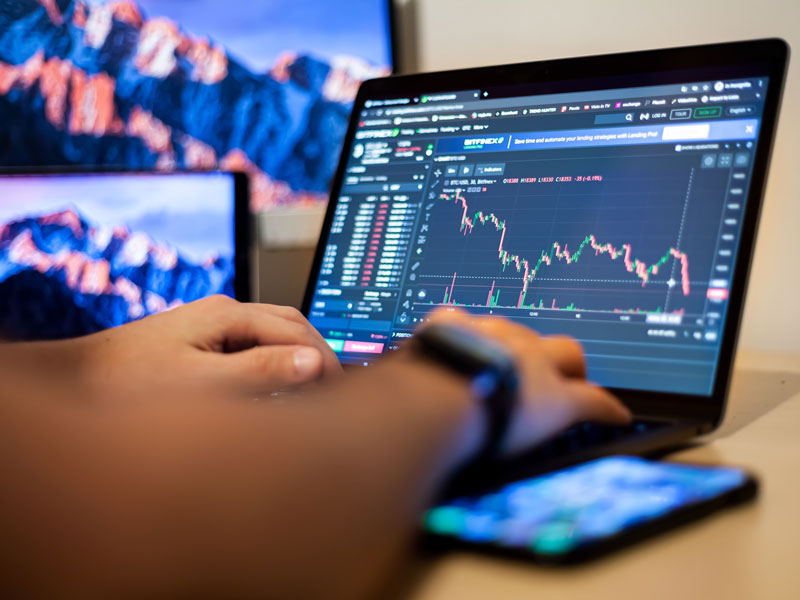
- Identify Your Trading Style: Determine whether you prefer day trading, swing trading, or position trading. Each style may require different timing approaches to align with various trading sessions.
- Trade during High Volatility: Focus on trading during overlaps, particularly the London and New York sessions, when market movements are more pronounced.
- Monitor Economic Calendars: Stay informed about upcoming economic events that can affect currency pairs in your chosen sessions. Major announcements often result in increased volatility.
- Be Aware of Market Sentiment: Keep an eye on market sentiment and trends. Understanding the prevailing market conditions can guide your trading decisions and timing.
The Impact of Global Events on Forex Trading Time Zones
Forex trading is influenced by various global events, such as political changes, economic data releases, and geopolitical tensions. These events can impact market volatility and liquidity, often leading to unpredictable price movements. As a trader, it’s crucial to stay informed about global news and how it might affect your trading sessions.
Strategies for Leveraging Time Zones
Here are a few strategies that can help you capitalize on forex trading time zones:
- Scalping: This strategy involves making small profits on quick trades that can be executed within the active time frames of the London and New York sessions.
- Range Trading: Identify key support and resistance levels during the quieter Sydney and Tokyo sessions, and then trade the breakouts during the more volatile London and New York sessions.
- News Trading: Use an economic calendar to trade high-impact news releases that coincide with your trading sessions, particularly during overlaps for maximum effect.
Conclusion
Understanding forex trading time zones is fundamental to a successful trading experience. By recognizing the characteristics of each trading session and their overlaps, traders can devise strategies that take full advantage of the inherent volatility and liquidity in the market. Timing is everything in forex trading, and selecting your trading hours wisely can lead to more profitable outcomes. Whether you are trading with Uganda Brokers or another platform, leveraging this knowledge is key to achieving your trading goals.
